REDARC vs Enerdrive: Which DC-DC Charger Is Better?
The two biggest names in Australian DC-DC chargers go head-to-head.
8 min read · Updated January 2026
A DC-DC charger takes power from your vehicle's alternator and uses it to properly charge your caravan's auxiliary battery. Modern vehicles have smart alternators that don't output consistent voltage, and direct wiring can undercharge or damage lithium batteries.
We break down the key differences between REDARC and Enerdrive to help you decide.
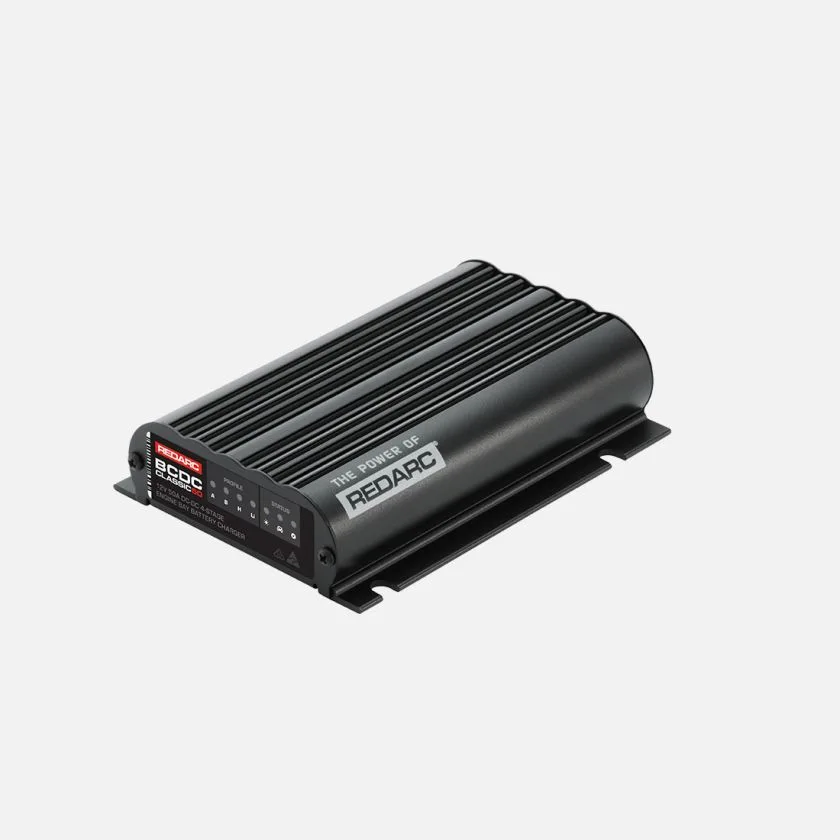
REDARC BCDC1250D DC-DC Charger
~$549
Pros
- Rock-solid reliability
- Green power priority - uses solar first
- Excellent thermal management
- Australian made with local support
Cons
- Premium price tag
- Basic LED display only
- 25A solar limit may restrict larger setups
Best for: Caravanners who want to install it once and forget about it for years.
Enerdrive DC40 DC-DC Charger
~$499
Pros
- 40A solar input - higher than REDARC
- Excellent value - similar features, lower price
- Optional Bluetooth monitoring
- Quality build from trusted brand
Cons
- 40A DC vs 50A - slightly lower alternator charging
- Not quite as established as REDARC
- Bluetooth costs extra
Best for: Caravanners who want premium quality without paying the REDARC premium.
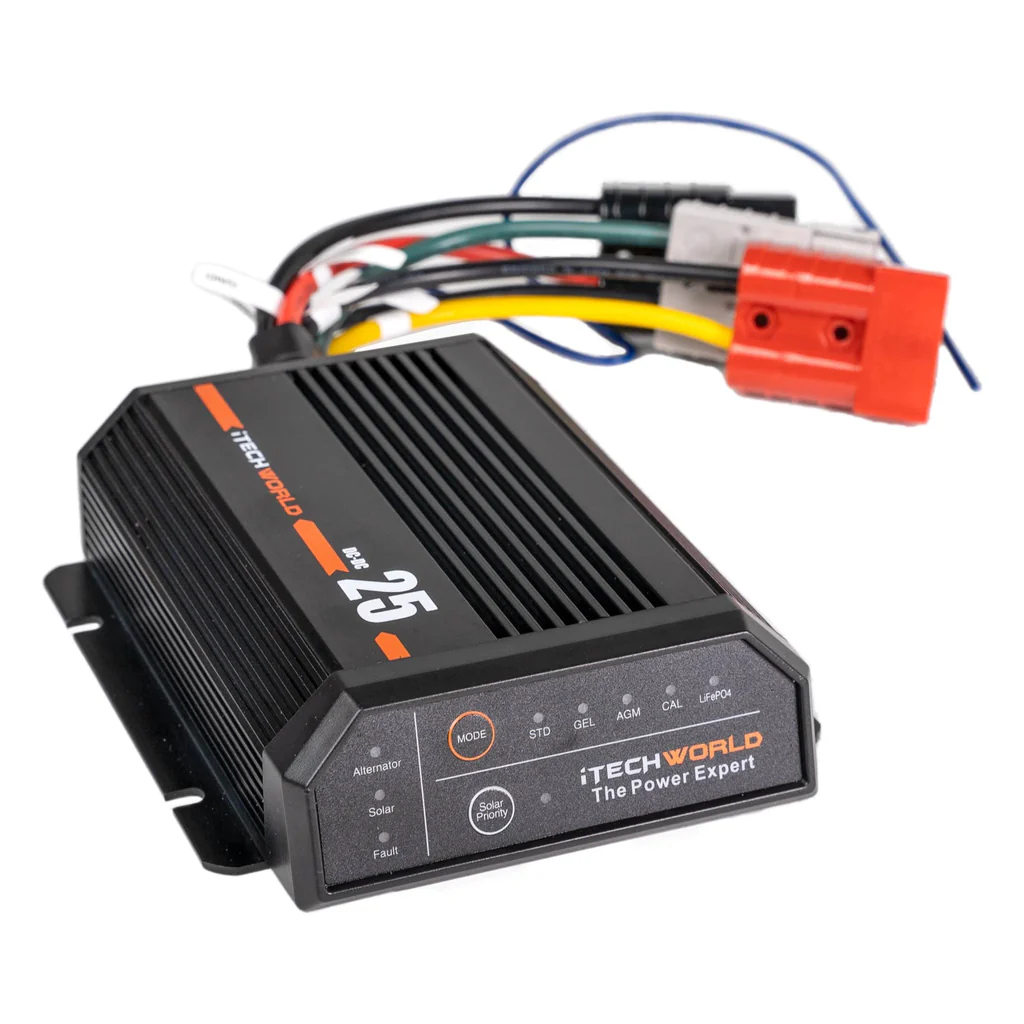
Projecta IDC25 DC-DC Charger
~$299
Pros
- Half the price of premium options
- Good for smaller battery banks
- Simple installation
- Widely available
Cons
- Lower 25A output means slower charging
- No solar input - need separate regulator
- Less sophisticated charging profile
Best for: Budget builds, smaller battery banks, or as a backup charger.
Links open in a new tab. We may earn a commission if you buy through them, at no extra cost to you.