Best Lithium Batteries for Caravans Australia 2026: 100Ah & 200Ah LiFePO4
The heart of your off-grid power system. Choose the right battery and camp for days without plugging in.
10 min read · Updated October 2026
Your battery is the single most important component in your off-grid power system, and for most new set-ups that means a lithium battery. Get it right and you can camp for days without needing a powered site. Get it wrong and you'll be hunting for a caravan park every night.
Lithium (LiFePO4) batteries have become the clear winner for caravan use — they're lighter, last longer, and give you more usable power than AGM or lead acid. The only real question is which one to buy.
This guide covers how much capacity you need, what to look for in a LiFePO4 battery and how to charge it. The batteries and chargers we stock are below.
Batteries & charge controllers in the KamperHub Store
Sold and shipped by us, from Australian warehouses.
 Samland 12V 100AH Deep Circle Lifepo4 Lithium Battery RechargeableView in store →
 Samland AC/DC 14.6V 15AMP Charger for Lithium Iron Phosphate(Lifepo4)BatteryView in store →
 VoltX 12V Lithium Battery 100AhView in store →
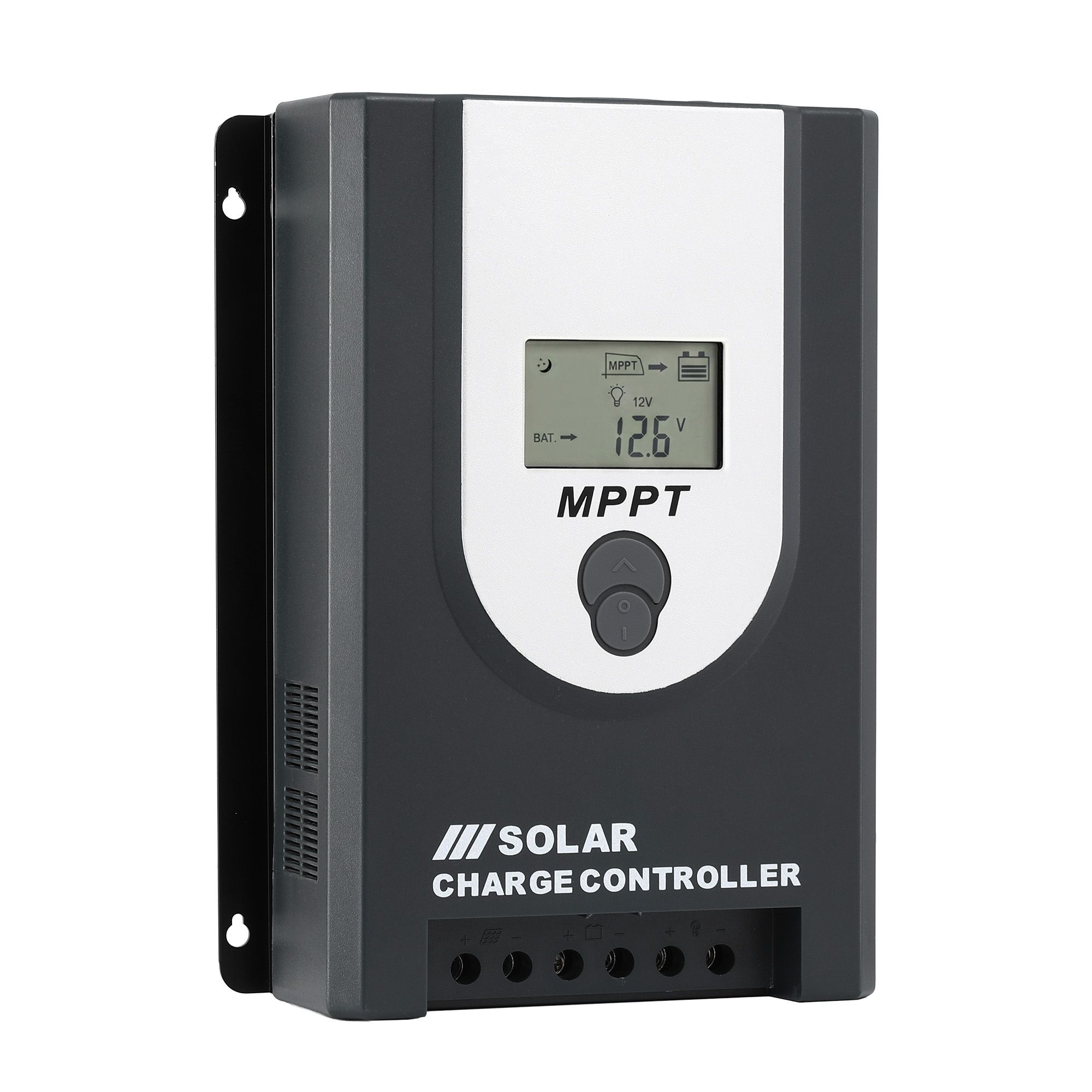 Giantz 50A MPPT Solar Charge Controller Auto 12V/24V Battery Regulator BluetoothView in store →
100Ah or a 200Ah lithium battery?
Work out your daily use in amp-hours: fridge, lights, water pump and charging. A lithium battery lets you use most of its rated capacity, while a lead-acid deep cycle battery should only be run down to about half.
A 100Ah lithium battery with solar suits a couple running a 12V fridge and the basics. A 200Ah lithium battery suits more appliances, an inverter, or longer stays without sun.
We currently stock 100Ah batteries. Some can be joined in parallel to make 200Ah: check the maker allows it, and use two identical batteries.
What to look for in a LiFePO4 battery
LiFePO4 (lithium iron phosphate) is the chemistry in most caravan lithium batteries: stable and long-lived when it is managed properly.
Every lithium battery needs a BMS (battery management system) that protects it from overcharging, over-discharging, short circuits and extreme temperatures. Check its continuous discharge rating covers what you will draw, especially if you run an inverter.
If you camp in the cold, look for low-temperature charge protection: LiFePO4 should not be charged below freezing.
Charging it properly
Lithium needs lithium charge settings. Check that your solar regulator, DC-DC charger and mains charger all have a lithium (LiFePO4) profile, as an old lead-acid charger can undercharge or damage it.
A dedicated LiFePO4 charger handles mains charging at home or on a powered site, and an MPPT solar charge controller gets the most from your panels.
Weight and fitting
A lithium battery weighs roughly half as much as a lead-acid battery of the same capacity, or less, which frees up payload.
Secure it, keep it ventilated and fuse it close to the battery. If you are changing battery type, have an auto electrician check the whole charging system, then update the weight in your free KamperHub garage.